If you are searching for postpartum massage after birth, the honest answer is that timing depends on your delivery, your healing, your symptoms and the advice of your midwife, GP or obstetrician. Some mums feel ready for gentle supportive touch within the first few weeks, while others need more time, especially after a caesarean birth, tears, heavy bleeding or medical complications.
In this guide, you will learn when postpartum massage after birth may be suitable, when to wait, what signs mean you should seek medical advice first and how Atma Wellbeing supports new mums with calm, personalised postnatal care in Dee Why.
Postpartum massage after birth: How soon is safe?
For many uncomplicated vaginal births, gentle postnatal massage may be considered once you feel physically comfortable, bleeding is settling, and your healthcare provider has no concerns. For many mums, this can be around the first few weeks after birth.
However, there is no single perfect date for everyone. The postpartum period is a major recovery phase, not just a return to normal. ACOG recommends postpartum care as an ongoing process, with contact with an obstetric care provider within the first 3 weeks and a comprehensive visit by 12 weeks. NHS guidance also recognises that your body goes through many physical changes after birth, including bleeding, stitches, discomfort, breast changes and tiredness.
A helpful rule is simple. If you are unsure, ask your healthcare provider before booking a postpartum massage after birth. This is especially important if you had a caesarean birth, assisted delivery, significant tearing, infection, high blood pressure, blood clot risk or ongoing pain.
Why new mums look for a massage after birth
After birth, your body can feel unfamiliar. Your shoulders may ache from feeding. Your lower back may feel tight from lifting, settling and sleeping in awkward positions. Your hips and pelvis may still feel tender after months of pregnancy and labour.
Postpartum massage after birth can offer gentle support during this transition. It may help ease muscular tension, encourage relaxation, support circulation and give you a quiet moment to reconnect with your body.
For many new mums, the emotional benefit matters just as much. Your days can revolve around feeds, naps, nappies and recovery. A calm massage session gives your nervous system a chance to soften and your body a chance to feel cared for again.
Recent research on early postpartum massage found that massage may help ease physical discomfort and unpleasant symptoms in the early postpartum period. Massage should never replace medical care, but it can be a valuable part of a wider recovery plan when it is safe for you.
When to wait before booking
You should wait before booking a postpartum massage after birth if your body is still showing signs that need medical review.
Speak to your doctor, midwife or obstetrician first if you have heavy bleeding, fever, increasing pelvic pain, worsening incision pain, severe headaches, vision changes, chest pain, shortness of breath, calf pain, one-sided leg swelling or signs of infection.
You should also wait if lying down feels uncomfortable, if your incision is still painful, if your stitches are not healing well or if you feel too tender to be touched. Massage should feel safe and supportive, not like another thing your body has to tolerate.
What about a massage after a caesarean birth?
After a caesarean birth, timing needs extra care. Your body is healing from birth and abdominal surgery at the same time. In the early weeks, massage may still be possible, but it should avoid direct work over the incision and any tender surgical area.
Many mums prefer to wait until their healthcare provider has checked the incision and confirmed that healing is progressing well. Some may start with gentle upper back, shoulders, neck, arms, legs or feet before any abdominal or scar-related work is considered.
Postpartum massage after a caesarean should be adapted carefully. At Atma Wellbeing, postnatal massage is not treated as a fixed routine. Your therapist begins by asking how you are feeling, where you are sore and what your body needs on the day.
If you want scar-related support later on, wait until your incision is fully closed and your doctor or physio has cleared you. Scar work is not something to rush.
Can massage help with swelling and fluid retention?
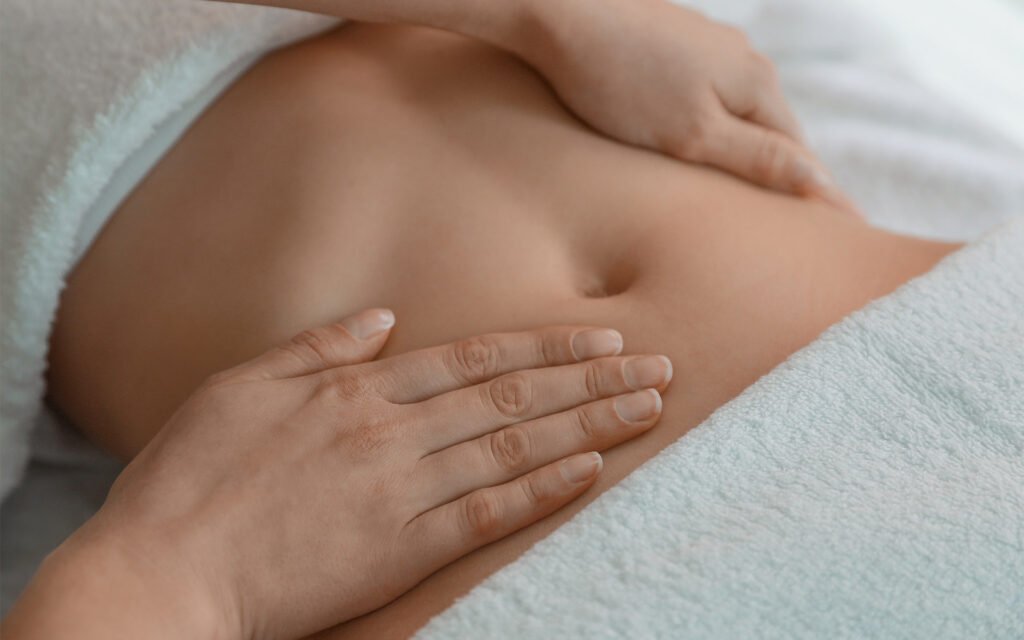
Swelling can continue after birth, especially in the feet, ankles, legs, hands and face. Fluid shifts, reduced movement, labour, IV fluids and hormonal changes can all play a role.
Postpartum massage after birth may support a feeling of lightness when gentle lymphatic techniques are appropriate. This does not mean massage forces your body to heal faster, but it can support comfort while your body naturally processes fluid changes.
Atma’s postnatal massage combines remedial techniques, gentle lymphatic support and deep relaxation to address the full picture of postpartum recovery. The goal is to ease tension, support swelling and fluid retention, and help you feel more settled in your body.
If swelling is sudden, severe, painful, one-sided or linked with shortness of breath, chest pain, headache or vision changes, do not book a massage first. Seek medical advice urgently.
What happens during a postnatal massage at Atma?
Postpartum massage after birth at Atma Wellbeing is designed around you. There is no expectation that you arrive feeling rested, organised or completely healed. You come as you are.
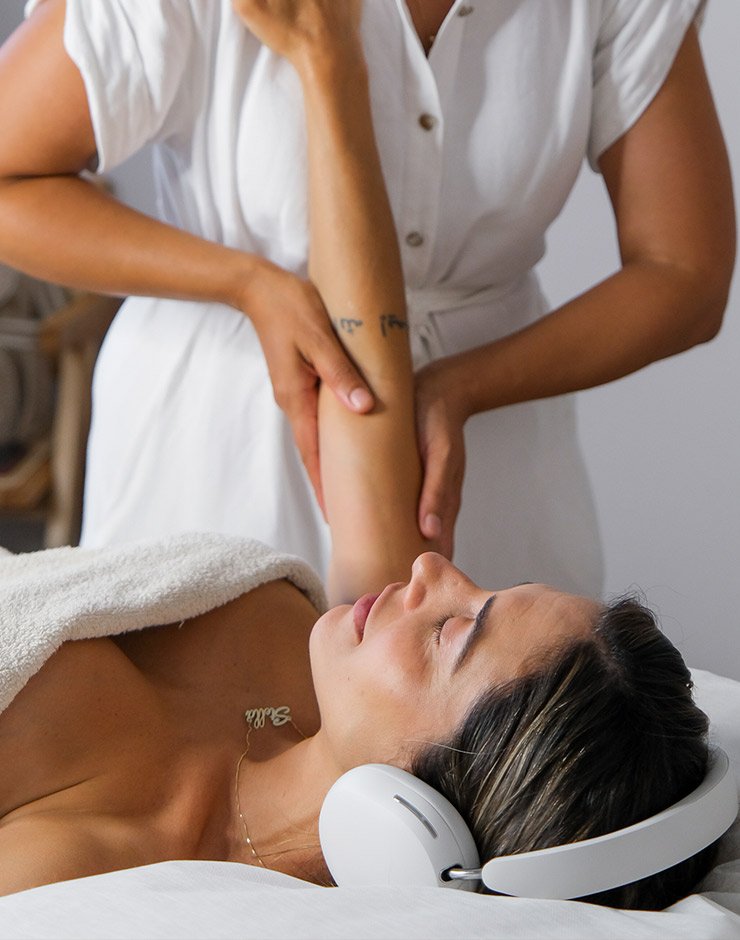
Your therapist will ask about your birth, your recovery, your sleep, your feeding positions, your sore areas and any medical advice you have received. From there, the treatment is adapted to your body and comfort level.
Common focus areas include neck and shoulder tension, upper back tightness, lower back pain, hips, glutes, legs, feet and hands. Gentle lymphatic support may also be used where appropriate, especially when fluid retention is part of your concern.
How often should you have a postpartum massage after birth?
There is no rule that every new mum needs the same schedule. Some women book one session when they feel overwhelmed by tension. Others prefer a short series of treatments across the first 6 to 12 weeks as their body adjusts.
If you are dealing with feeding posture pain, ongoing swelling, lower back strain or sleep-related tension, regular massage may help you stay ahead of discomfort. A 40-minute session may be enough for targeted relief, while a 60-minute session gives more time for full body recovery.
Is postpartum massage only for the first few weeks?
No. Postpartum massage can still be helpful months later. Many mums do not feel ready to book anything in the first weeks, and that is completely understandable.
Your body can continue to carry postnatal tension long after the early recovery phase. Feeding, carrying, pram lifting, broken sleep and returning to exercise can create new aches. Emotional load can also show up in the body as jaw tightness, shallow breathing, headaches or shoulder tension.
Postnatal care is not only for the immediate newborn stage. If you gave birth months ago and still feel sore, heavy, tense or disconnected from your body, postpartum massage may still support your recovery.
Questions new mums often ask
Can I have a massage one week after giving birth?
Possibly, but only if your birth was uncomplicated, you feel well, bleeding is not heavy, and your healthcare provider has no concerns. Many mums prefer to wait a little longer. If in doubt, get medical clearance before booking a postpartum massage after birth.
Is postpartum massage after birth painful?
It should not be. Postnatal massage should feel supportive, safe and responsive. Pressure can be adjusted throughout the session, and you should always feel comfortable speaking up.
When massage is part of a bigger recovery plan
Postpartum healing is not about bouncing back. It is about being supported while your body, hormones, sleep and identity shift in a major way.
Massage can sit alongside medical checkups, pelvic floor physiotherapy, gentle movement, emotional support, nutrition, hydration and rest. It can also help bridge your pregnancy care and your longer-term recovery needs, especially if you are moving from prenatal massage into postnatal care.
The most important thing is to listen to your body. If something feels wrong, seek medical advice. If you feel ready for nurturing touch, postpartum massage can be a beautiful way to receive care at a time when you are giving so much of yourself.
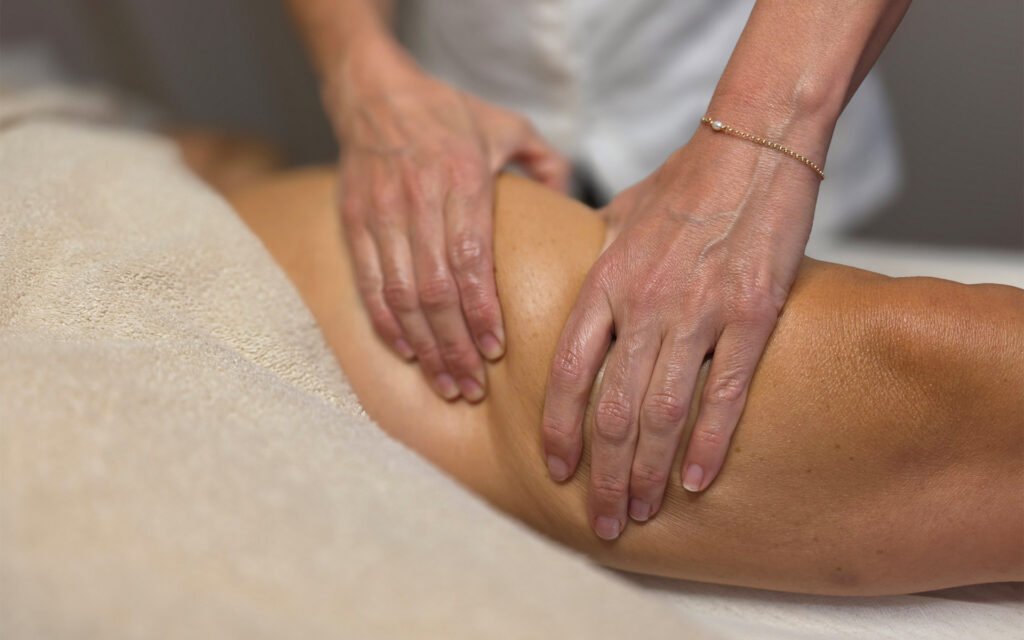
Book your postnatal massage in Dee Why
If you are ready for postpartum massage after birth, Atma Wellbeing offers specialised postnatal massage in Dee Why for mums across Sydney. Our experienced therapists tailor every session to your recovery, your comfort and your stage of healing.
Whether you need help with shoulder tension, lower back discomfort, swelling, fluid retention or simply a quiet hour to feel like yourself again, we are here to support you with gentle, thoughtful care. Book your postnatal massage at Atma Wellbeing and give your body the recovery support it deserves.