
People sometimes ask what eighteen years of this work have taught me. They expect me to talk about technique. About pressure, anatomy, and all the things I studied when I qualified in physiotherapy overseas. Those things matter, and I am grateful for them every day. But the honest answer is simpler than that. What eighteen years have taught me is how to pay attention. Really pay attention.
This piece is about exactly that, and about what massage therapy can do when someone is truly listening with their hands. Not the polished marketing version. The quiet, ordinary version that happens in our rooms in Dee Why most days of the week. If you have never had a treatment with us, I hope this gives you a feel for who we are. And if you already come to see us, you might recognise a little of yourself in here.
Paying attention is a skill, not a mood
When I first started out, I thought attention was something you either had or you didn’t. I see it differently now. Paying attention is a skill you build slowly, one session at a time, one body at a time. You learn the difference between a muscle that is simply tired and a muscle that is quietly guarding something tender underneath.
You also learn that the place where someone feels their pain is rarely the place it began. A tight shoulder can be a story about a hip. A sore lower back can be weeks of broken sleep, finally speaking up. A clenched jaw can be a sign that a person has been holding everything together for a very long time. None of that reveals itself if you are rushing through the hour.
Since we opened Atma Wellbeing in 2018, my team and I have worked on thousands of bodies here on the Northern Beaches. Every one of them has taught us something. The longer you do this, the clearer it becomes that the work is less about doing something to a person and far more about noticing what their body is already trying to say.
What massage therapy can do when someone is truly listening
Here is what most people do not expect. So much of what massage therapy can do has very little to do with force. The Australian Government health service, Healthdirect, puts it plainly. Research shows massage affects many systems in the body, including the nerves near your skin, your spinal cord and your brain, and although these effects can be measured, it is still not fully understood how they create the relief people feel.
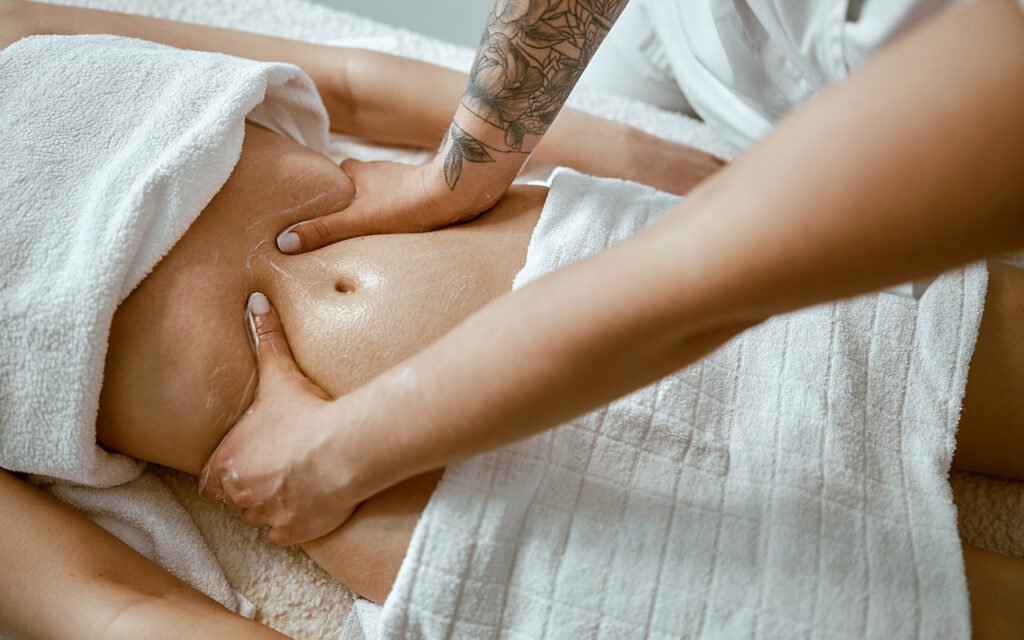
I find that honesty reassuring rather than unsettling, because it matches what I see every week. A body that feels safe and unhurried will quietly let go of things it has been holding for months. So what can massage therapy actually do, in plain terms? At its simplest, it can ease muscle tension, calm a busy nervous system, support circulation, and help you feel lighter and more like yourself again.
That softening is a real part of what massage therapy can do, and you cannot force it or rush it. You can only notice it and follow where it wants to go. This is why we never treat two people the same way. A remedial massage for someone with a stiff neck from desk work asks for very different attention than a gentle lymphatic drainage session for someone who feels heavy, swollen or puffy. The technique always follows the noticing, never the other way around.
The patterns a body keeps without us realising
One of the things that has surprised me most over the years is how much a woman’s body can hold without her ever knowing it consciously. I learned this slowly, from the women who come back to see us month after month, and from the small things they mention almost in passing.
One client shared something that has stayed with me ever since. Before she started coming in, the days before her period were brutal. The bloating and the pain were bad enough that she would miss work, and everyone in her office knew those days were coming. After she made her sessions a regular part of her routine, she told me her last cycle was the first in a long time that she got through a full day at work, with far less pain and far less bloating.
I want to be straight with you about this, the same way I was with her. Massage is not a medical treatment for period pain, and what helps one person may not help another at all. This is simply her experience, and she wanted to share it because the difference felt real to her.
This is one client’s personal experience. Massage is not a treatment for menstrual conditions, and if you have a medical concern, please speak with your GP.
What I take from her story is not a claim. It is a reminder. Bodies keep patterns, and sometimes regular, attentive care helps them settle into an easier rhythm. That, too, is part of what massage therapy can do, quietly, over time.
The day noticing mattered most
I want to tell you about one of the moments that affected me most in all my years of practice, because it shows the other side of paying attention.
During a session, I noticed an area on a client’s abdomen that felt firm and unfamiliar. It was not something I could explain, and not something I had felt on her before. I am not medically trained to diagnose, and I did not try to. I simply trusted that something did not feel quite right, and I gently encouraged her to have it checked by a doctor, just to be safe.
Two weeks later, she called me in tears of gratitude. The check-up had found a benign cyst, caught early enough to treat easily. She told me that if it had not been for that quiet moment on the table, she might never have known.
I think about that often. The sensitivity of touch is not there to diagnose anything. It is there to notice. And sometimes noticing is enough to point someone towards the care they truly need.
Our therapists do not diagnose medical conditions. When something feels unusual, we will always encourage you to see your doctor, because your health comes first.
Noticing is not diagnosing, and that line matters
I am careful about this distinction, and I would like you to be too. We are not doctors, and a massage is never a substitute for medical advice. What we offer is a different kind of attention. The kind that comes from spending a full hour with your body in a calm, quiet room, with someone paying very close attention to it.
That attention is gentle by design. With our post-surgery massage, for instance, the whole point is to move slowly, to ease swelling and support comfort while your body does its own healing, always working alongside your medical team rather than in place of them. If you are curious about how that looks in practice, we shared more in our piece on lymphatic drainage after cosmetic surgery.
It was never just me
I should say clearly that none of this is about one pair of hands. The therapists I work with at Atma carry the same care, and in many ways, they have taught me as much as I have taught them. When you lie down on one of our tables, you are met by someone whose whole job, in that hour, is simply to notice you.
That is the culture we have tried to build from the very beginning. Warm, unhurried, and genuinely interested in the person rather than the appointment. It is also why so many of our clients come back, not because we talk them into it, but because being properly noticed is rare, and the body remembers what that feels like.
Why this is still the work I love
After all this time, I am still curious about the body. I do not find it clinical at all. I find it remarkable. Every person who lies down with us is trusting us with something quiet and personal, and I have never taken that lightly.
When people ask what massage therapy can do, I no longer reach for a long list of benefits. Yes, it can help you feel lighter, move more freely and carry less tension in your day. But underneath all of that, it can offer something rarer. The simple, restoring experience of being truly noticed. In a world that asks so much of us, an honest hour of real attention is its own kind of care.
That is what we try to give every single day.
If any of this resonates with you, I would love for you to come and feel it for yourself. You can book a session with our team whenever you are ready, and we will take it gently from there, at your pace, with all the attention you deserve.
With care, Saura