Recovery from orthopedic surgery is rarely straightforward. Whether you have had a knee replacement, an ACL repair, or a hip resurfacing, the weeks that follow often bring swelling, restricted movement, and a level of discomfort that even well-prepared patients find challenging. It is during this period that many people start researching massage after knee surgery, usually once the most acute phase begins to settle.
The good news is that massage can genuinely support orthopedic recovery. But knowing which type of massage to seek, when it is safe to begin, and how it fits alongside your medical team’s guidance makes all the difference. By the end of this post, you will know exactly what the evidence says, what to expect from a qualified therapist, and how to get the most from orthopedic surgery recovery massage as part of a coordinated rehabilitation plan.
What Your Body Goes Through After Orthopedic Surgery
Surgery triggers an immediate inflammatory response. The body sends fluid and immune cells to the affected area to begin the repair process, which is entirely normal and necessary. In the case of knee procedures, this typically results in noticeable swelling that can persist for several weeks.
The lymphatic system is responsible for clearing much of this excess fluid, but after surgery it often struggles to keep up. Anaesthesia, reduced mobility, and soft tissue trauma all slow lymphatic flow. When fluid stagnates rather than circulates, it creates the uncomfortable heaviness and stiffness that many patients describe as the hardest part of early recovery.
At the same time, the muscles surrounding the joint begin to guard. This is the body’s way of protecting an injured area, but prolonged guarding leads to tightness, altered movement patterns, and a longer road back to full function. This is precisely where orthopedic surgery recovery massage becomes most valuable.
How Massage After Knee Surgery Supports the Healing Process
Massage after knee surgery does not follow a single approach. Depending on where you are in your recovery, different techniques serve different purposes, and a skilled therapist will adapt the plan at every visit.
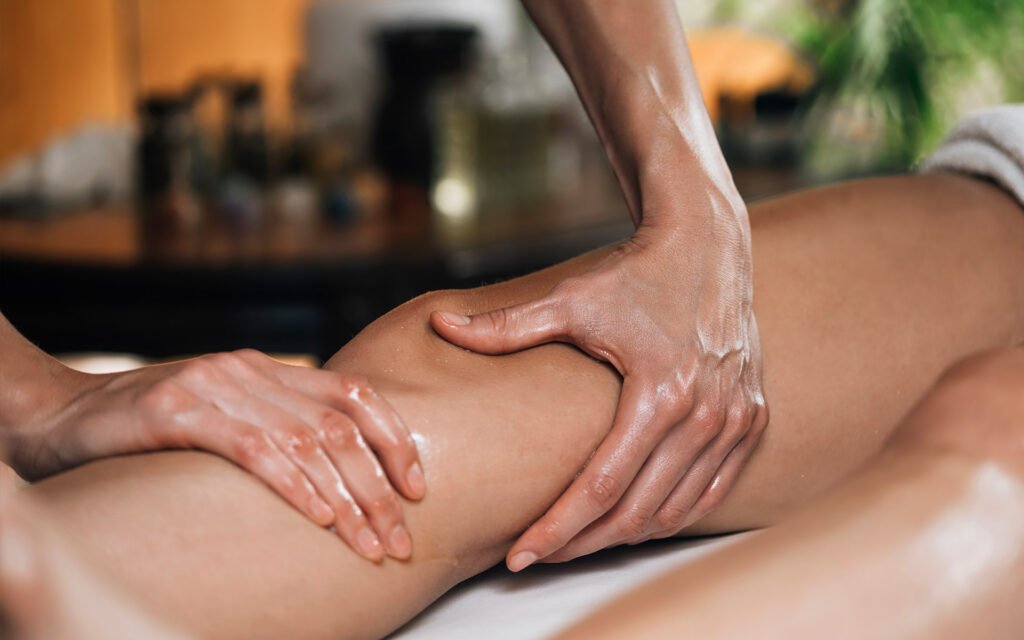
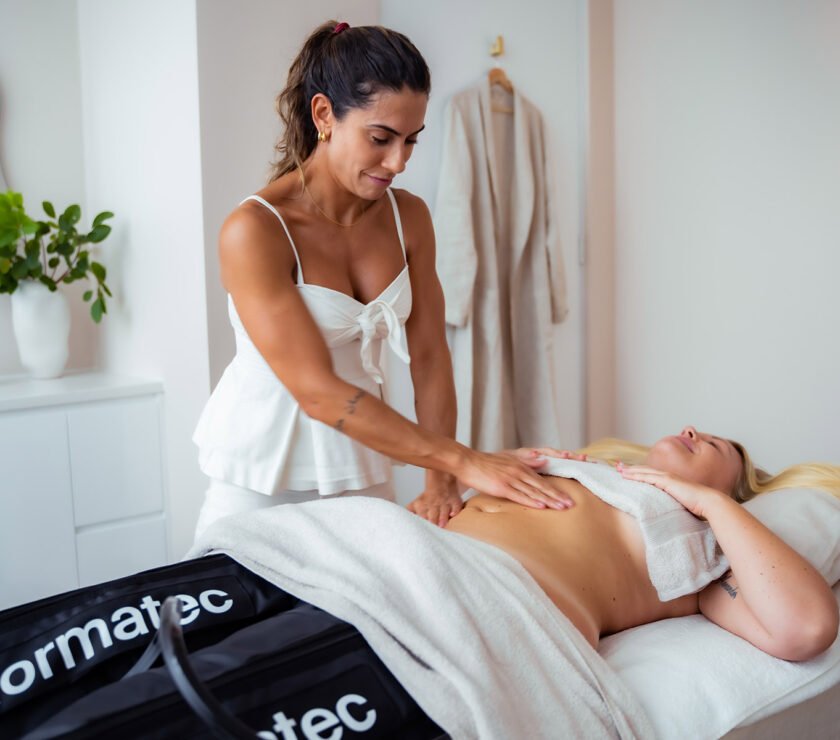
In the early stages, lymphatic drainage massage is often the most appropriate starting point. It uses light, rhythmic strokes to stimulate lymphatic vessels and encourage fluid drainage from the lower limb. Because the pressure is very gentle, this work can begin away from the surgical site quite soon after the procedure, often within the first one to two weeks for suitable clients.
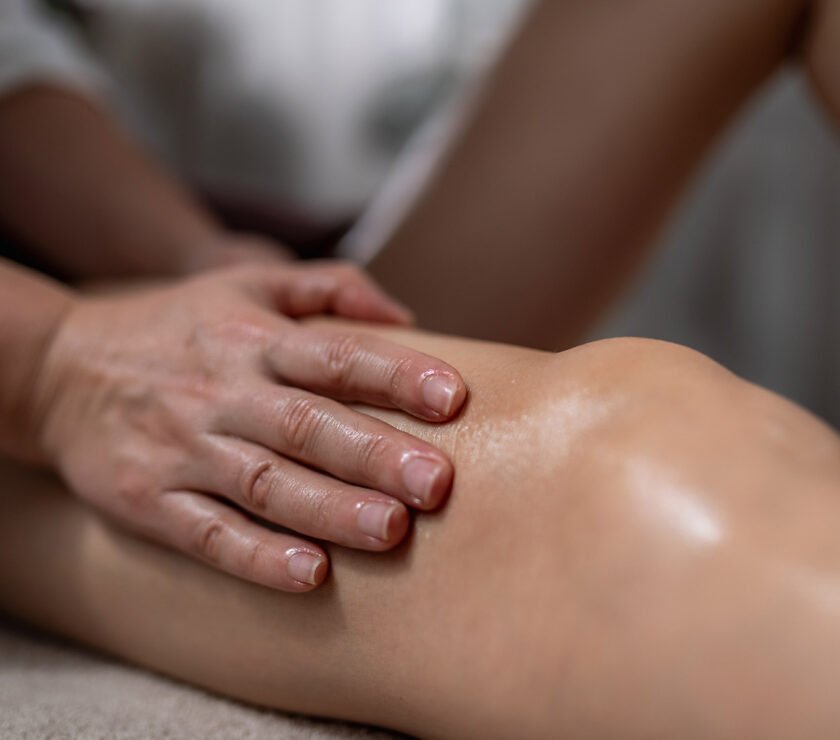
As recovery progresses, remedial massage becomes increasingly important. The quadriceps, hamstrings, calf muscles, and hip complex all experience significant tension following knee procedures, both from guarding and from altered gait patterns. Targeted soft tissue work on these structures helps restore normal muscle tone, reduces compensatory strain, and directly supports improvement in joint range of motion.
Massage after knee surgery also has a meaningful effect on pain. Gentle manual techniques stimulate mechanoreceptors in the soft tissue, which helps modulate pain signals and reduces the perception of discomfort. Many clients notice they feel noticeably freer and more comfortable after each session, which in turn supports better participation in physiotherapy exercises.
What the Research Actually Shows
The evidence supporting massage as part of orthopedic recovery has grown considerably in recent years. A systematic review and meta-analysis analysed 11 randomised controlled trials involving 940 patients recovering from total knee replacement. The findings showed that patients who received massage experienced significantly greater pain relief at 7, 14, and 21 days post-operation, along with improved knee range of motion, compared with the control group.
That is a substantial body of evidence. Nearly a thousand patients across multiple rigorous trials points to a consistent, clinically meaningful benefit. Pain relief and restored range of motion are the two outcomes patients most want to see, and massage after knee surgery appears to contribute meaningfully to both.
It is worth being clear: the research supports massage as a complementary therapy, not as a replacement for physiotherapy or medical care. The strongest results come from combining approaches, which is exactly the philosophy we follow at Atma Wellbeing.
Lymphatic Drainage: The Recovery Tool Most People Overlook
Lymphatic drainage is one of the most underused tools in post-surgical recovery, and it is especially relevant following knee surgery. Many patients only discover it when a therapist or physiotherapist suggests it, but once they experience it, the response is almost always: why did I not start this sooner?
The technique works by gently activating the lymphatic network, which runs just beneath the skin surface. Unlike the cardiovascular system, the lymphatic system has no pump of its own. It relies on muscle movement, breathing, and external stimulation to keep fluid circulating. After surgery, when movement is reduced and the tissues are disturbed, it needs help.
Lymphatic drainage can begin within the first week or two in most cases, provided the wound is intact and your surgeon is comfortable with it. It requires no pressure near the incision and can focus primarily on the thigh and lower leg to encourage fluid clearance. The effect on swelling can be notable after even a single session.
You can read more about how this technique supports recovery in our post on the benefits of lymphatic massage.
When Is It Safe to Start Massage After Knee Surgery?
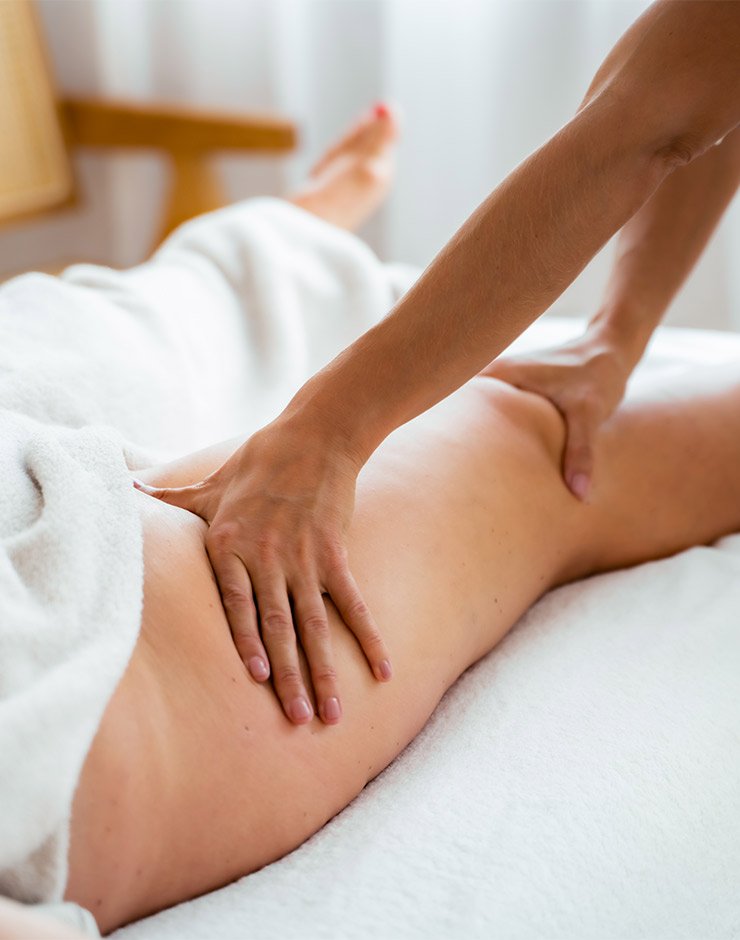
This is the question we hear most often, and the honest answer is that it depends. The specific procedure, the state of your wound, and your surgeon’s recommendations all play a role. As a general guide, work away from the surgical site, including lymphatic drainage and broader muscle work on the leg, is often appropriate within the first one to two weeks for suitable candidates.
Direct work on or near the incision site typically comes later, usually around the six-week mark or beyond, once wound closure is confirmed and the surgeon is satisfied with healing progress. Specialists in orthopaedic rehabilitation generally recommend that massage therapists coordinate closely with the surgical and physiotherapy team before applying any direct pressure near the joint.
At Atma Wellbeing, we always ask for clearance from your medical team before working near a recent surgical site. Orthopedic surgery recovery massage should follow clinical guidance, not bypass it. If you are unsure what is appropriate at your stage of healing, your surgeon or physiotherapist is the right person to ask first.
What Post-Surgery Massage Looks Like at Atma Wellbeing
We have been supporting clients in Dee Why through surgical and injury recovery since 2018. When someone comes to us following an orthopedic procedure, the first thing we do is listen. We want to understand your surgery, your current symptoms, and what your medical team has recommended before we begin anything.
A typical recovery plan might combine lymphatic drainage massage in early sessions to address swelling and fluid build-up, with remedial massage introduced progressively as healing advances to address the surrounding musculature. Our post-surgery massage service is built around exactly this kind of graduated, responsive approach.
Sessions are always adjusted based on your feedback and the state of your tissues. If something feels uncomfortable or your recovery is progressing differently to what was expected, we adapt immediately. The goal is always to support your healing without placing unnecessary demands on tissue that is not yet ready.
For those managing ongoing discomfort as part of a longer rehabilitation process, our post on remedial massage for chronic pain covers how regular soft tissue work can support pain management well beyond the initial recovery window.
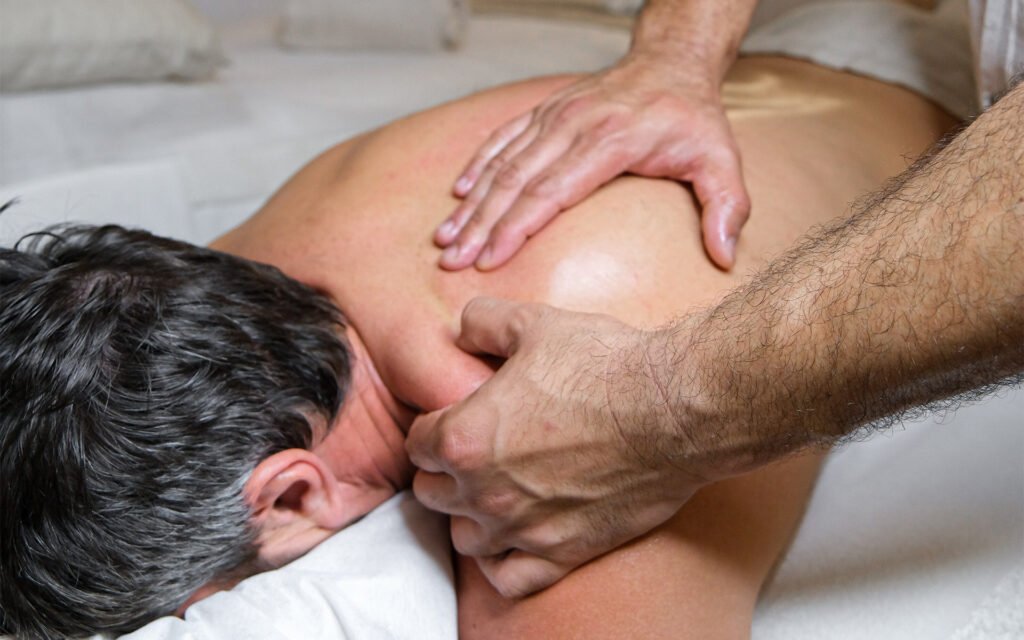
Massage as Part of a Coordinated Recovery Plan
Orthopedic recovery works best as a team effort. Your surgeon, physiotherapist, and massage therapist each bring something different to the process, and the results tend to be significantly better when those contributions are coordinated rather than siloed.
Massage after knee surgery is most effective when it sits alongside your physiotherapy programme, follows your surgeon’s guidance, and is delivered by a therapist who understands the specific demands of post-surgical soft tissue work.
The research tells us clearly that patients who include massage as part of their recovery tend to experience less pain and better range of motion. For anyone who has been through the discomfort of post-surgical swelling and restricted movement, that represents a genuinely meaningful difference in quality of life during one of the more challenging periods of recovery.
Ready to Support Your Recovery?
If you are recovering from a knee replacement, ACL reconstruction, or another orthopedic procedure and would like to find out whether massage after knee surgery is right for you, we would love to help. Book a session at Atma Wellbeing in Dee Why, or get in touch with our team before committing to anything. We are happy to talk through your situation and let you know what we think would be most useful at your stage of healing.
Book your recovery session online