So the surgery is done. You chose your surgeon carefully, followed every bit of pre-op advice, and now you are on the other side. The hard part should be over, right?
Not quite. Recovery after cosmetic surgery is its own journey. Swelling, fluid build-up, tightness and bruising are all completely normal, but they can feel overwhelming when you are living through them day after day. This is where lymphatic massage after cosmetic surgery becomes genuinely useful.
This article covers how lymphatic drainage supports healing after procedures like liposuction and tummy tucks, what a session actually involves, when to start and what realistic results look like.
Why Surgery Disrupts Your Lymphatic System
Your lymphatic system is a network of tiny vessels and nodes that sits just beneath your skin. Its job is to collect excess fluid, waste and cellular debris from your tissues and move it all back toward your heart for processing. It runs quietly in the background every day without you noticing.
During cosmetic procedures, particularly liposuction and abdominoplasty, this network takes a direct hit. The cannula used in liposuction sweeps through layers of tissue where lymphatic vessels sit, and the disruption can temporarily stall fluid movement in the area. In a tummy tuck, the surgical incision divides lymphatic channels across the lower abdomen, and the body has to reroute how it drains that entire region.
A study found that liposuction places the superficial lymphatic system at elevated risk of disruption, often resulting in lymphatic stasis. The same review noted that after abdominoplasty, the primary drainage pathway can shift from the groin nodes to the armpit nodes while the body adapts.
This is why you swell. It is not a sign that something went wrong. It is your body doing exactly what it should after significant tissue disruption.
The question is, what can you do to help your body clear the excess of fluid retention?
How Lymphatic Massage After Cosmetic Surgery Helps You Heal
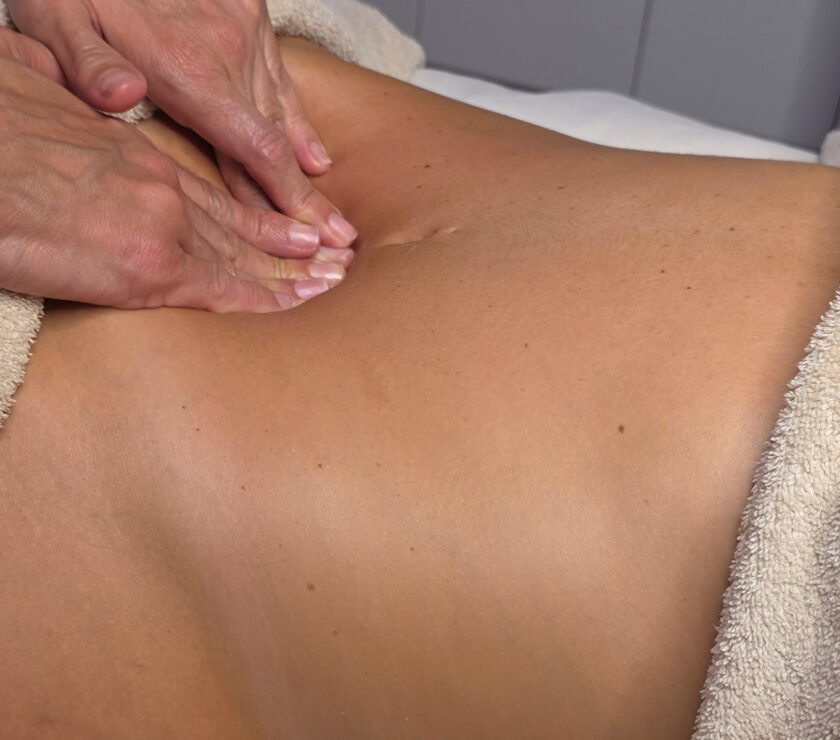
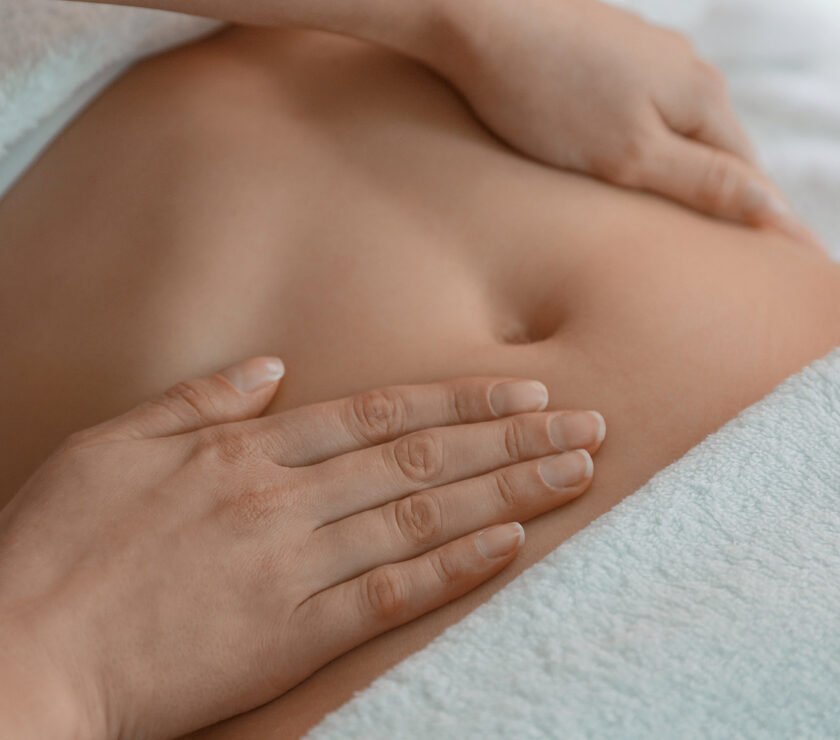
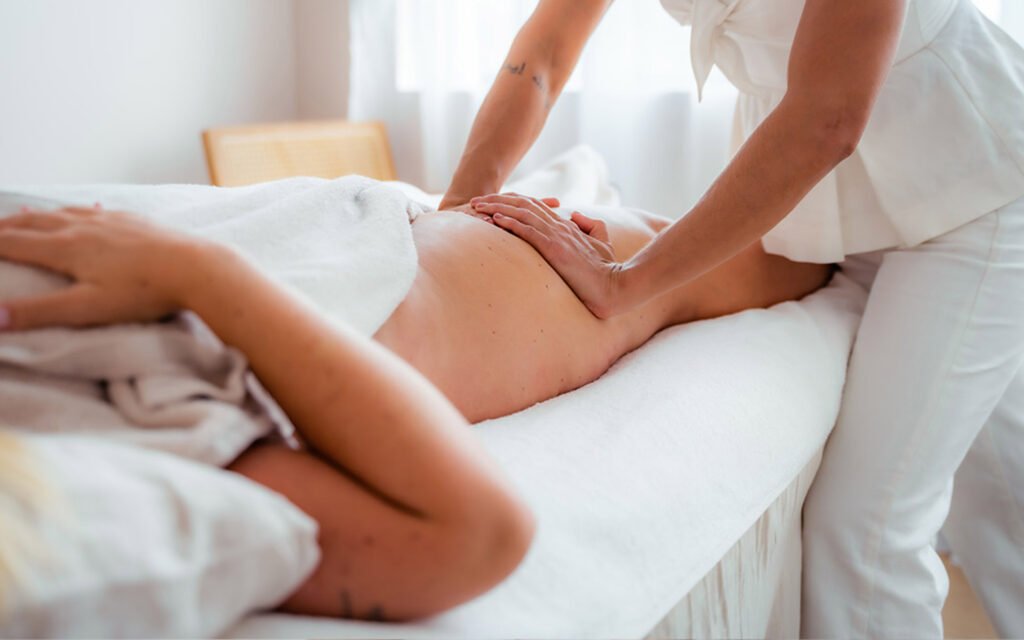
Manual lymphatic drainage, or MLD, is a very specific type of bodywork. If you are imagining a deep tissue session with firm pressure, this is the opposite. The strokes are light, slow and rhythmic. Your therapist follows the natural direction of lymph flow, gently encouraging fluid to move toward functioning nodes where the body can filter and process it.
After cosmetic surgery, this matters for a few reasons.
First, it helps reduce swelling faster. When lymphatic pathways are disrupted, fluid sits in your tissues longer than it needs to. Lymphatic drainage essentially gives it a route out, guiding it toward nodes that are still working properly. Most people notice a visible difference even after a single session.
Second, it supports the reduction of bruising. Bruises happen because blood and cellular debris pool in your tissues after surgery. Lymphatic massage helps shift that waste into the lymphatic system where it can be broken down and cleared.
Third, it plays a role in preventing fibrosis. This is something a lot of people do not hear about until it happens. Fibrosis is the formation of hard, lumpy tissue under the skin. It develops when protein-rich fluid stays in one place too long and the body responds by laying down dense collagen. Once it forms, it is much harder to resolve than if you had addressed the fluid early. Consistent post-op lymphatic drainage, especially in combination with wearing your compression garment, is one of the most effective ways to lower this risk.
When to Start Post-Op Lymphatic Drainage
Timing depends on your procedure and your surgeon’s recovery plan. As a general guide, most surgeons recommend beginning lymphatic massage within the first one to two weeks after surgery.
For liposuction and Brazilian butt lifts, sessions can often start within five to seven days. For procedures with longer incision lines, like a full abdominoplasty, your therapist may wait until drains are removed. If you have had a facelift or neck lift, the starting point tends to be around four to six weeks, once the initial healing phase has settled.
In terms of frequency, two to three sessions per week for the first three to four weeks is a common recommendation. After that, sessions taper as your swelling reduces and your lymphatic system re-establishes its pathways.
If you are already a few weeks past surgery and have not started yet, do not worry. It is not too late. Lymphatic massage can still make a meaningful difference at any point during recovery, especially if you are dealing with stubborn swelling or early signs of fibrosis.
What a Lymphatic Drainage Session Actually Feels Like
Your therapist will start by asking about your procedure, when it took place, what type of compression you are wearing and whether you have any drains or areas of concern. This conversation sets the direction for the whole session.
The massage itself is gentle. It begins at the neck and collarbone, opening the main drainage channels before working toward the surgical area. The strokes are slow and wave-like. There is no deep pressure. You might notice some fluid leaking from incision sites during or after the session. That is normal and a positive sign that drainage is happening.
People often describe the experience as deeply relaxing. You will likely leave feeling lighter, less tight and more comfortable in your body. The full benefit builds over a series of sessions rather than a single visit, but even after the first one, most people feel a noticeable shift.
Which Procedures Benefit Most?
Any cosmetic procedure that disrupts tissue and lymphatic pathways can benefit from post-op lymphatic drainage. The procedures that make the biggest difference tend to be liposuction (especially when larger volumes are removed), abdominoplasty, Brazilian butt lifts, body lifts after significant weight loss, and facelifts or neck lifts.
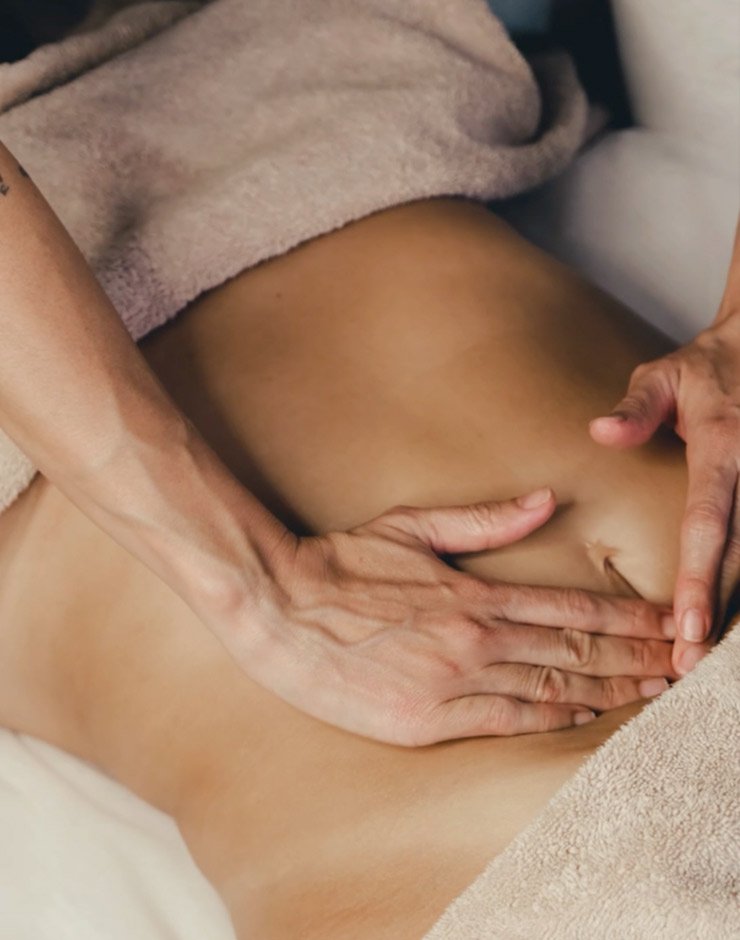
Body contouring procedures can produce swelling that lasts anywhere from three to six months. Lymphatic drainage during the early weeks helps you move through that timeline more comfortably. It can also improve the final cosmetic outcome by keeping tissues softer and more even as they heal.
Getting the Most from Your Recovery
Lymphatic massage works best when it is part of a broader approach to recovery, not a standalone fix. Here are 4 key things that make a real difference between sessions.
Compression + Drainage
Wear your compression garment exactly as your surgeon instructs. Compression and lymphatic drainage work as a pair. The garment provides steady, gentle pressure that prevents fluid from pooling back into treated areas. The massage actively moves that fluid toward your lymph nodes. One without the other is less effective than both together.
Hydration
Stay well hydrated. Water supports your lymphatic system in filtering and processing the fluid that gets mobilised during each session. It sounds simple, but it genuinely helps.
Movement
Move gently. Light walking, even short laps around your home, stimulates lymph flow naturally. You do not need to push through any exercise routine. Just avoid being completely still for long stretches.
Consistency
Stick with your session schedule. Consistency matters more than doing extra sessions here and there. A regular rhythm, especially in those first few weeks, gives your body the support it needs to clear fluid efficiently and avoid complications.
Post-Surgery Lymphatic Drainage at Atma Wellbeing
At Atma Wellbeing, we have been supporting people through post-surgery recovery since 2008. Our therapists combine manual lymphatic drainage with the Power Touch® method, developed in-house, which blends gentle lymphatic work with sculpting movements to support both healing and body contour.
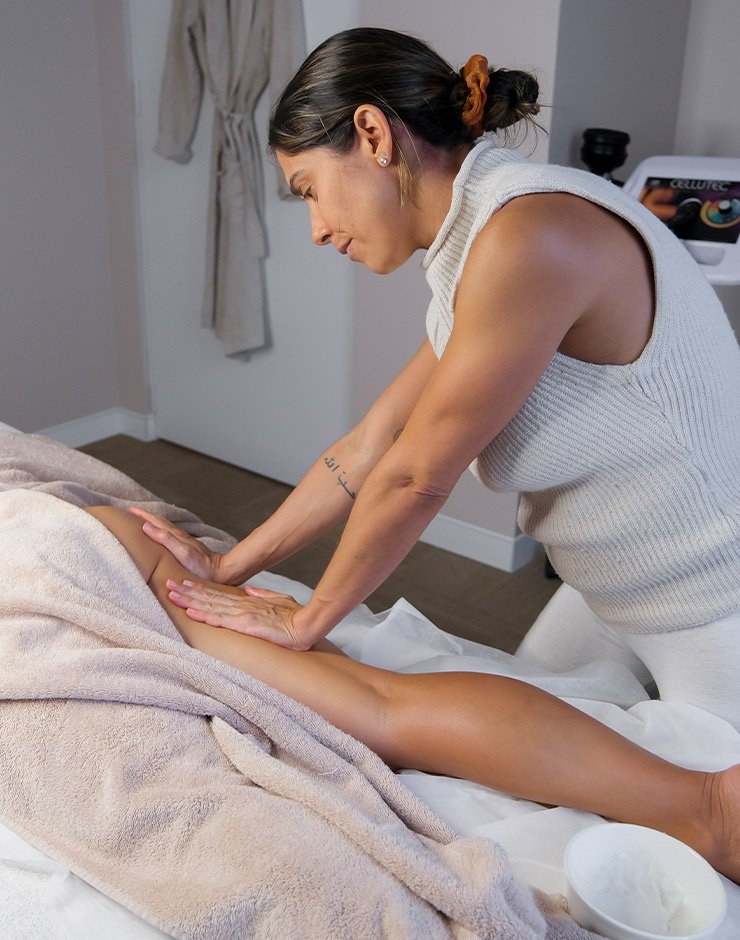
Every session is tailored to your procedure, your stage of recovery and how your body is responding. Whether you are five days out from liposuction or six weeks past a tummy tuck, we will meet you exactly where you are.
If you are planning cosmetic surgery, or if you are already recovering, this is one of the most supportive things you can do for yourself right now.
Book your post-surgery lymphatic drainage session today and give your body the recovery support it deserves.