You’ve just experienced one of the most profound transformations your body can go through. Your baby is here, and whilst the joy is immeasurable, your body might be telling you it needs attention too. If you’re feeling exhausted, achy, or simply disconnected from yourself, postpartum massage could be the nurturing care your body is asking for.
This isn’t just about relaxation (though you deserve that too). Postpartum massage is evidence-informed support that helps your body heal, recover, and adjust to this new chapter. In this guide, you’ll discover exactly when you can safely start massage after birth, what to expect during sessions, and how this specialised care supports your complete recovery.
What Is Postpartum Massage?
Postpartum massage is specialised therapeutic bodywork designed specifically for mothers in the weeks and months following childbirth. Unlike general relaxation massage, postpartum techniques address the unique physical changes your body experiences after delivery – whether you had a vaginal birth or caesarean section.
Your body has spent nine months adapting to pregnancy. Now it’s working hard to return to its pre-pregnancy state while simultaneously producing milk, healing birth trauma, and adjusting to broken sleep patterns. This specialised massage supports your transition by focusing on areas that need extra attention: your lower back, hips, shoulders, neck, and abdominal region.
Qualified postnatal therapists use gentle, nurturing techniques that respect your body’s healing timeline. The pressure is typically lighter than remedial massage, with careful attention to any tender areas, surgical sites, or regions still recovering from birth.
When Can You Get a Massage Postpartum?
The timing depends on your individual circumstances and type of delivery. Here’s what you need to know:
After Vaginal Birth
For uncomplicated vaginal births, you can typically start gentle postpartum massage within the first week after delivery. Many mothers book sessions as early as 3-4 days postpartum, while others prefer to wait until the 2-week mark when initial bleeding has reduced.
By 3-4 weeks postpartum, most women feel ready for slightly deeper work on tight muscles, particularly in the neck, shoulders, and lower back. Your bleeding should have reduced significantly, making positioning more comfortable, and you’ll likely have established some feeding patterns.
After Caesarean Section
If you had a caesarean, it’s wise not to wait too long before starting post-surgery massage to support quality scaring and avoid tenderness, typically 2 weeks after c-section. Your therapist will provide very gentle but precise and effective post-surgery techniques around the surgical site, as well as working on your upper body, back, and legs, where tension accumulates quickly, for a complete recovery session
Once your scar has healed (usually around 8-12 weeks), specialised scar tissue massage can help prevent adhesions and improve mobility around the surgical site.
After Complicated Deliveries
If you experienced significant tearing, episiotomy, or delivery complications, consult your healthcare provider before booking. Generally, waiting 2-3 weeks until initial healing has progressed is advisable.
There’s no “deadline” for starting postpartum massage. Whether you’re 2 weeks, 2 months, or 2 years postpartum, therapeutic massage can still support your recovery and wellbeing.
Is Postpartum Massage Necessary?
It is not medically mandatory, but postpartum massage is increasingly recognised as essential self-care for new mothers. Research from the NCBI found that postpartum massage significantly reduces anxiety, pain, fatigue and improves overall wellbeing.
Here’s why it matters:
Physical Recovery: Your body needs help recovering from pregnancy and birth. Massage accelerates this process by reducing muscle tension, improving circulation, and supporting lymphatic drainage.
Pain Relief: Many mothers experience persistent back pain, neck tension, and shoulder discomfort from feeding and carrying their babies. Regular massage provides significant relief, reducing your reliance on pain medication.
Hormonal Balance: Studies demonstrate that massage therapy increases oxytocin (your bonding hormone) whilst reducing cortisol (your stress hormone). This shift supports better milk production, improved sleep quality, and enhanced mood regulation.
Mental Wellbeing: Postnatal depression and anxiety affect up to 1 in 5 Australian mothers. While massage isn’t a treatment for clinical depression, it’s a valuable tool that provides emotional relief and nurturing touch.
Key Benefits of Postpartum Massage
Relieves Muscle Tension and Pain
Carrying, feeding, and settling your baby creates repetitive strain in your neck, shoulders, and upper back. Hours of breastfeeding or bottle-feeding leave you hunched, and constantly lifting your little one stresses already fatigued muscles.
Postpartum massage releases this accumulated tension, targeting the specific muscle groups under strain. Many mothers report immediate relief in their neck and shoulders after their first session.
Reduces Swelling and Fluid Retention
Many women experience persistent swelling in their legs, ankles, and feet after delivery. Pregnancy increases your blood volume by approximately 50%, and your body needs time to eliminate excess fluid.
Lymphatic drainage techniques used in postnatal massage encourage your lymphatic system to flush this excess fluid naturally. You might notice your rings fitting again or your ankles looking more like your own after several sessions.
Supports Core Recovery
Whether you had a vaginal delivery or caesarean, your abdominal muscles have been stretched and weakened. Postpartum massage, when performed by qualified therapists, supports core recovery through gentle abdominal work.
This gentle massage can make everyday movements more comfortable and helps your body return to its pre-pregnancy state more efficiently.
Improves Sleep Quality
Sleep deprivation is one of the hardest parts of new motherhood. Research demonstrates that postpartum massage improves both sleep quality and duration in new mothers.
The deep relaxation triggered during massage helps regulate your nervous system, making it easier to fall asleep during those precious rest moments.
What to Expect During Your Postpartum Massage Session
Your first appointment begins with a thorough consultation. Your therapist will ask about your birth experience, any complications, how you’re feeding your baby, and which areas need attention most.
Be honest about your discomfort levels and any concerns. If you’re breastfeeding, you might prefer to feed or pump before your session to feel more comfortable.
Positioning Options
Unlike during pregnancy, when you needed to lie on your side – unless your wellness centre offers pregnancy cushions to lie face-down like the ones offered at Atma Wellbeing, during postpartum, you have more flexibility to lie down. You can typically lie on your back, front, or side, depending on what feels comfortable. Many mothers are thrilled to finally lie face-down again!
If you’re breastfeeding and your breasts feel tender or full, your therapist can provide cushioning or adjust positioning. Side-lying remains an option if that’s most comfortable.
Techniques Used
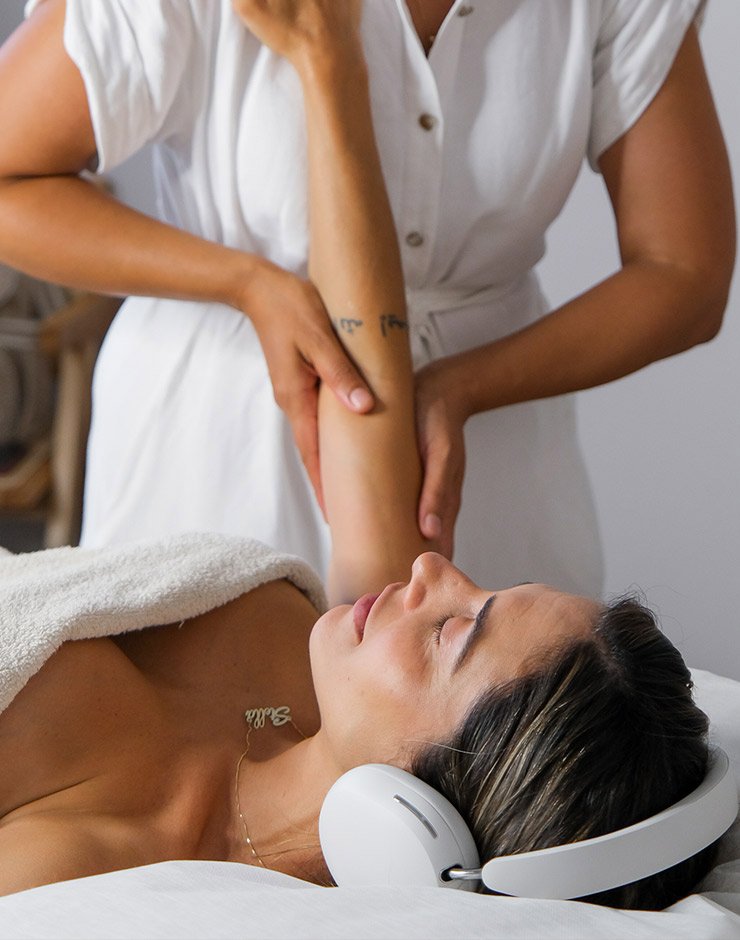
Your therapist will combine gentle massage strokes, lymphatic drainage techniques, and targeted work on tight muscle groups. The pressure starts lighter than remedial massage, respecting your body’s healing process.
For abdominal work (when appropriate), therapists use gentle circular motions that support your core muscles and help your uterus return to its pre-pregnancy size. This work is always done with your consent and comfort in mind.
Sessions typically last 60-90 minutes, giving your body adequate time to relax and respond to treatment. If you need to pause the session to check on your baby or express milk, that’s absolutely fine.
How Often Should You Book Sessions?
For optimal recovery support, many mothers benefit from weekly sessions during the first 4-6 weeks postpartum. This frequent care addresses the rapid physical changes happening in your body and provides consistent support during those intense early weeks.
After the initial 6-week period, you might transition to fortnightly or monthly sessions depending on your needs and budget. Even a single session can provide significant relief, so don’t let budget constraints stop you from experiencing the benefits.
Safety Considerations
When performed by qualified therapists trained in postnatal care, postpartum massage is extremely safe for most new mothers. However, seek medical advice first if you have:
- Heavy bleeding or abnormal discharge
- Fever or signs of infection
- Deep vein thrombosis (DVT) or blood clotting disorders
- Unhealed caesarean incision or perineal tears
- Severe postpartum depression requiring medical treatment
- High blood pressure or pre-eclampsia
Always inform your therapist about any medications you’re taking and any health concerns that arose during pregnancy or delivery. This transparency ensures you receive appropriate, safe treatment.
Combining Postpartum Massage with Other Care
Postpartum massage works beautifully alongside other recovery modalities. Many mothers combine massage with physiotherapy for pelvic floor rehabilitation, osteopathy for alignment issues, or LED light therapy to support healing and reduce inflammation around surgical scars.
Physical care through massage complements emotional support from counselling or postnatal support groups during this transformative time.
What Makes Atma Wellbeing Different
At Atma Wellbeing in Dee Why, we understand that new motherhood is a profound transformation. Our therapists are trained specifically in postnatal care, bringing 16+ years of experience supporting women through their recovery journeys.
We offer flexible appointment times recognising that your schedule now revolves around your baby. Our treatment rooms provide a peaceful sanctuary where you can truly switch off, knowing you’re in expert hands.
Our approach combines evidence-informed techniques with genuine empathy for what you’re experiencing. We celebrate your body’s incredible achievement whilst providing practical support to help you feel strong, comfortable, and connected to yourself again.
Your Recovery Journey Starts Here
Your body has done something extraordinary. It grew, birthed, and is now nourishing a new life. This transformation deserves recognition, care, and support. Postpartum massage isn’t a luxury – it’s essential self-care that helps you recover physically and emotionally.
You don’t need to wait until you’re “desperate” for relief. Proactive care in those early weeks and months can prevent chronic tension from developing and support a smoother, more comfortable recovery.
Whether you’re navigating sleep deprivation, muscle pain, or simply longing to feel like yourself again, therapeutic touch can be part of your healing journey.
Ready to prioritise your recovery? Book your postpartum massage at Atma Wellbeing today. Our experienced therapists are here to support you through this transformative chapter with care, expertise, and genuine understanding of what your body needs now.
Your baby needs you at your best. Let us help you feel restored, strong, and ready for this incredible adventure.